erin reese erin reese

Supporting Your Child’s Mental Health During Audition Seasons

Audition season is exciting, but it can also be a pressure cooker for young performers. The highs of callbacks and the lows of rejection take an emotional toll. At Broadway Kids Auditions (BKA), we believe performer well-being comes first. We don't just train voices; we nurture resilient minds ready to handle the industry's realities with genuine confidence.

Here is how to understand what your child is going through and practical tools to help them thrive.

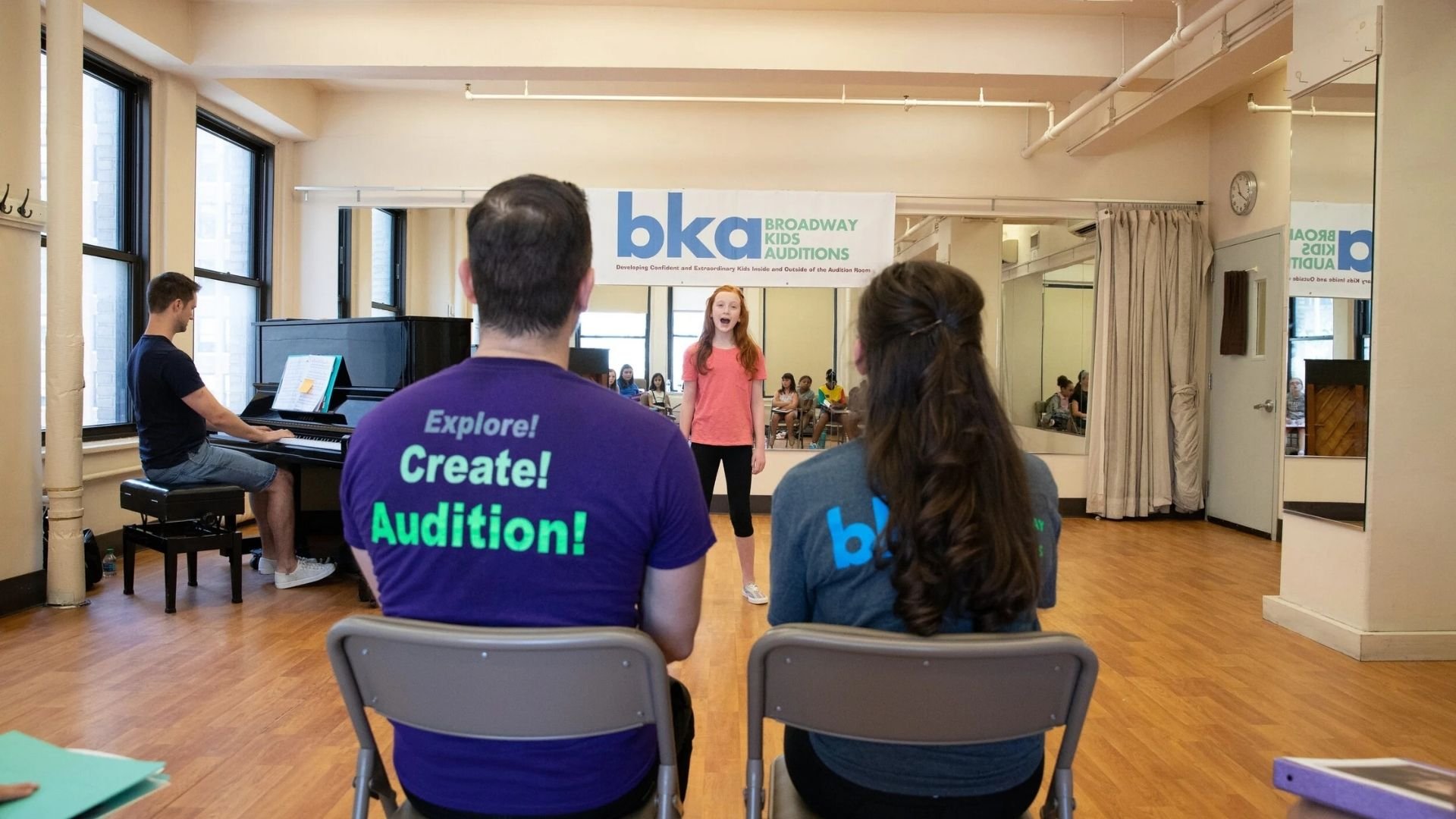
girl at audition

Understanding the Biology of Nerves

First, it is helpful to normalize what your child is feeling. Anxiety isn't just "in their head"—it is a physiological response. When a young performer gets nervous, their sympathetic nervous system activates (the "fight or flight" response), leading to a racing heart, shallow breathing, or difficulty concentrating.

We teach students that these sensations aren't a sign of failure; they are simply the body preparing for a challenge. By recognizing these biological cues without judgment, we can address them directly rather than letting them spiral into panic.

two boys preparing for performance

The Unique Pressure of Auditions vs. Performances

You might notice your child is fine during a school play but freezes in an audition room. This is common. Auditions trigger "future-oriented thinking"—worrying about the implications of not getting the role ("If I don't get this, I'm not good enough").

While a performance is about being in the moment, an audition often feels like a judgment on their future. We help students combat this by grounding them in the present moment, reminding them that the stakes of one audition do not define their long-term potential.

girl being coached at BKA

Navigating the "Grades vs. Art" Transition

Adolescents, particularly those around middle school age, often struggle with the transition from academic grading to artistic subjectivity. In school, if you study hard, you get an A. In the arts, you can work incredibly hard and still not get the part due to factors outside your control (height, voice part, casting needs).

This shift can be jarring. We work with students to separate their work ethic from the outcome, ensuring they understand that subjective casting decisions are not an objective grade on their talent.

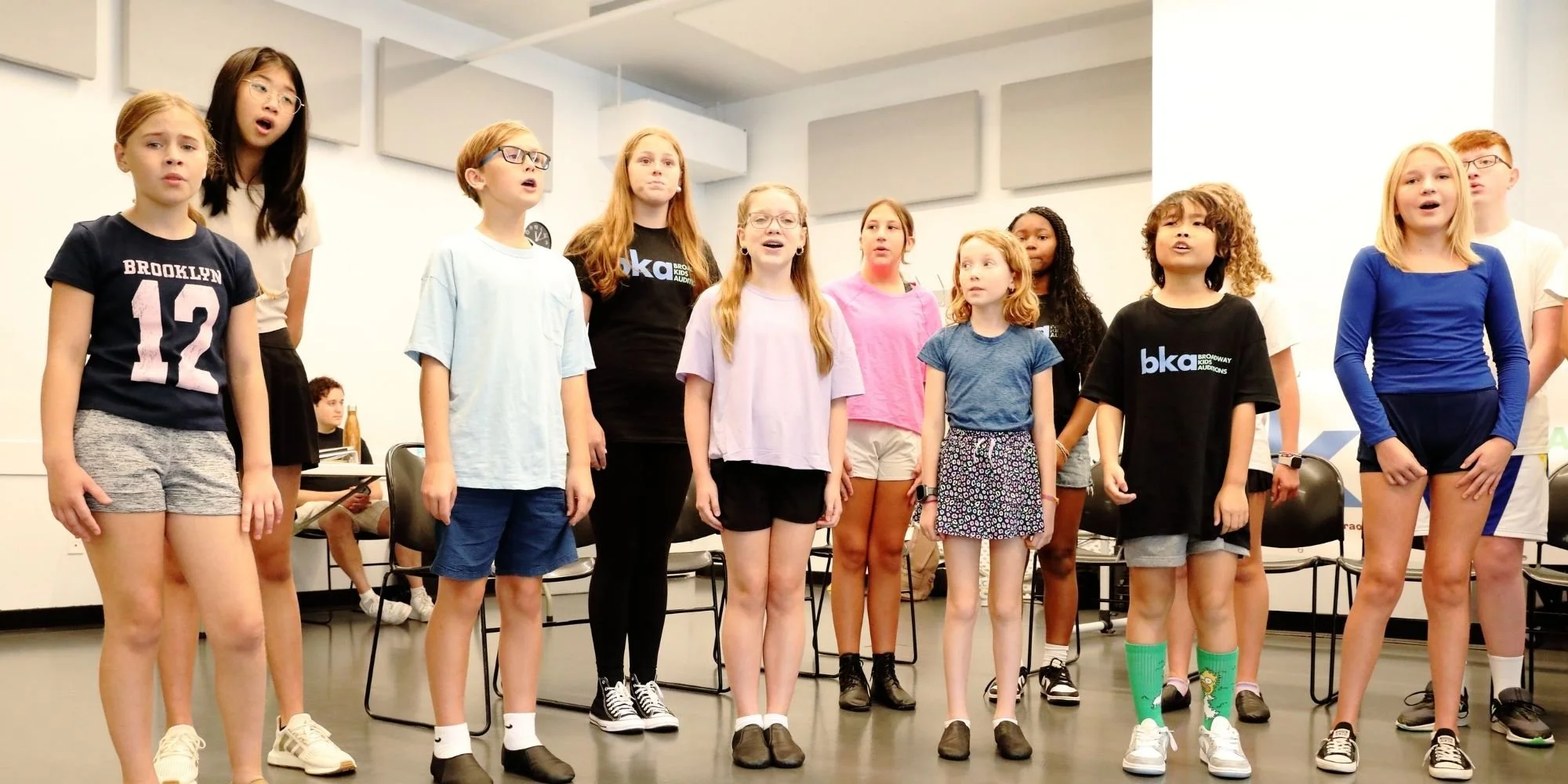
children being coached and preparing at BKA

Practical Tools for the Toolkit

At BKA, we integrate evidence-based psychological frameworks (such as Acceptance and Commitment Therapy concepts) into our artistic training. Here are a few techniques we use to build resilience:

  • Name the Anxiety: We encourage students to give their anxiety a name or a silly persona. This technique, known as externalization or diffusion, helps them realize that they are not the anxiety; the anxiety is just a temporary visitor. It allows them to separate their identity from the emotion.

  • Breathwork & Bodywork: Since anxiety is physical, the solution must be physical, too. We utilize tools like "box breathing" (inhale 4, hold 4, exhale 4, hold 4) and finger breathing to calm the nervous system. We also use "power posing" to help students physically inhabit a space of confidence before they even open their mouths.

  • Focus on Technique: When fear sets in, the brain can scatter. We provide students with specific performance cues—focusing on a specific technical element or the meaning of a line—to give their brain a constructive job to do, steering it away from fear.

A child’s value is never determined by a callback list. Our workshops emphasize that a "no" is rarely personal; it’s just part of the business. We nurture the whole child, ensuring they feel valued and extraordinary both inside and outside the audition room.

Finally, anxiety often stems from feeling unprepared. BKA’s rigorous private coaching ensures students walk into rooms knowing their material inside and out. When they trust their technical training, there is less room for debilitating self-doubt to creep in during high-stakes moments.

Supporting your child’s mental health is the most important aspect of their long-term success. If you want coaching that prioritizes resilience alongside technique, connect with the BKA team today. Let’s help them thrive on stage and off.

Contact Us Today
Read More
erin reese erin reese

Introducing the BKA Talent Database for Young Performers

At Broadway Kids Auditions, we understand the challenge of getting your talent in front of the right people. That's why we created the BKA Talent Database, an exclusive, curated online showcase designed to highlight the incredible performers we work with. It’s a digital hub connecting our talent with industry professionals in one easy-to-access, beautifully organized space.

Child actor posing for a professional headshot with soft lighting

Your Spotlight, Your Professional Profile

Our BKA Talent Database gives performers a custom-designed professional profile. This isn't just a listing; it's a branded showcase with photos, videos, and personalized branding. We provide a unique shareable link for social media, submissions, and personal promotion, ensuring all your materials live in one polished, professional, and easy-to-access place.

Connecting Talent with the Industry

The database is a digital hub designed to connect our performers directly with the industry. We aim for it to be the go-to destination for discovering the next generation of exceptional young talent. It’s a trusted source for casting directors, agents, and producers looking for performers across TV, film, theater, and commercials.

How We Actively Promote Your Profile

Our team actively works to get your profile seen. Each month, we update and distribute the BKA Talent Database to a curated list of trusted industry professionals. This network of casting directors, agents, and managers can access the database at any time, putting your portfolio directly in their hands and ensuring you remain visible.

Build Your Brand and Share Effortlessly

Joining the database is more than a directory listing; it’s a dynamic tool to amplify your presence. It allows you to create a Broadway-quality online profile, promote yourself with a personal link, and be consistently visible to key decision-makers. Keep your portfolio fresh and join the industry’s first stop for discovering young talent.

The BKA Talent Database is a powerful tool designed to make sharing your talent effortless, elegant, and industry-ready. It's a core part of our mission at Broadway Kids Auditions to connect exceptional young performers with the industry. Whether you're pursuing representation or your next project, this database makes you visible.

The Database is open to current BKA students by approval only. To keep this an exclusive service, we require that you must have done at least two coaching sessions or one full intensive to a part of the BKA Talent Database. If you have questions about being a part of the database, feel free to email broadwaykidsauditions@gmail.com.

Learn more
Read More
erin reese erin reese

From Rehearsal to the Big Stage: Our NYC Performance Weekends

For young performers, finding opportunities that bridge the gap between training and real-world experience is essential. Many families involved in NYC kids auditions seek a path to build confidence and skills in a professional setting. That’s precisely why we created our NYC Performance Weekends—an immersive experience designed to elevate talent and showcase it on a professional stage.

Train with True Broadway Professionals

Our program provides unparalleled access to top-tier training. Performers work directly with Broadway professionals and our elite BKA coaches. These sessions aren't just about running lines; they are intensive workshops focused on advanced movement, vocal technique, and industry-specific insights that give young actors a competitive edge in their next audition.

Develop Your Unique Performance Piece

We believe in personalized development. Each performer receives a new solo song, duet, or monologue perfectly suited to their strengths. They rehearse their piece with a live accompanist and a dedicated director, ensuring they are prepared and confident. This material is supported by custom learning tracks and marked sheet music to guide their practice.

Personalized Virtual Coaching Included

Preparation doesn't just happen in the city. To ensure every performer feels ready, our Performance Weekends include two 30-minute virtual coaching sessions. One session is dedicated to the music and one to the coaching, allowing for focused, one-on-one feedback and refinement before the big weekend even begins.

Shine on a Professional NYC Stage

The culmination of this hard work is the performance itself. Our students perform their pieces in a curated concert on a professional NYC stage. We capture the moment with professional event photos and provide a video recording of the entire live-streamed performance, creating a valuable asset for their reel.

These weekends offer more than just a performance; they build confidence, skills, and industry connections. At Broadway Kids Auditions, we are dedicated to providing comprehensive training that prepares students for the realities of the business. To learn more about this program or to register for our next event, visit our workshops page.

Learn more
Read More
erin reese erin reese

On Camera Workshops

Mastering the Close-Up: NYC On-Camera Audition Coaching

In today's digital age, a significant portion of auditions have moved from the stage to the screen. For young actors, mastering the nuances of an on-camera audition is a critical skill. It’s a different medium than the stage, requiring a unique set of techniques to truly connect with casting directors through the lens. At Broadway Kids Auditions, our NYC on-camera audition coaching is designed to equip your child with the confidence and skills needed to shine in their next self-tape or in-person camera audition. Our specialized coaching helps young performers understand the technical and artistic demands of acting for the camera. Watch our recent reel on The 3-Second Rule: How to Hook Casting Directors Fast.

Understanding the Frame

On camera, less is often more. Unlike the stage, where gestures need to be larger to reach the back row, the camera picks up the smallest of movements. Our NYC kids coaches teach students how to use stillness and subtle expressions to convey a wide range of emotions. They learn to control their physicality and use their eyes to tell the story, ensuring their performance is both powerful and captivating within the tight frame of the camera. This control in developing authentic performances that fully embodying character within themselves is a key differentiator in a successful on-camera audition.

Connecting with Their Scene Partner and the Lens

One of the biggest challenges for young actors is creating a connection without a live audience. We train our students to create a genuine connection with their scene partner that is captured by the lens-fostering an intimate and personal performance. This technique helps them to deliver a genuine and believable performance, allowing their personality to shine through. By building a relationship with the scene partner(s), young actors can draw the viewer in and make a lasting impression on casting directors.

Technical Self-Tape Proficiency

A great performance can be lost in a poor-quality self-tape. Our NYC expert on-camera coaching covers the essential technical aspects of auditioning from home. We guide our students on proper lighting, sound, and framing to ensure their self-tapes look and sound professional. From choosing the right backdrop to understanding the editing process, we provide them with the tools to create a polished submission that allows their talent to take center stage. This technical knowledge is crucial in the modern casting landscape.

Building Confidence and Consistency

Repetition and constructive feedback are key to building confidence. Our coaching sessions provide a safe and supportive environment for young actors to practice, make mistakes, and grow. Through mock auditions and personalized feedback, we help them develop a consistent and reliable audition technique. This preparation empowers them to walk into any audition, whether in-person or virtual, with the confidence to deliver their best performance every time.

Book Your Session Today!

Give your child the competitive edge they need to succeed in the world of on-camera auditions. Our expert NYC coaches at Broadway Kids Auditions are ready to help your young star develop the skills and confidence to book the role. Contact us today to learn more about our on-camera audition coaching and schedule your first session. Let's get your child ready for their close-up!

Read More
erin reese erin reese

Voice Over Demo

Your Voice, Their World: Crafting a Professional Voice-Over Demo

In the dynamic world of entertainment, the demand for fresh, youthful voices in animation, commercials, audiobooks, and interactive media is constantly growing. For aspiring young voice actors, a professionally produced voice-over demo is not just an asset – it’s a necessity. It’s your child’s sonic calling card, showcasing their range, personality, and ability to bring characters and narratives to life. At Broadway Kids Auditions, we specialize in guiding young talent through the exciting process of creating a standout voice-over demo that opens doors to incredible opportunities in the industry. Watch our recent reel on the #1 Voice-Over Mistake Young Actors Make and How to Fix It.

Identifying Your Child's Unique Voice

Every child possesses a unique vocal quality. Our expert NYC coaches work closely with young actors to identify their vocal strengths and natural acting instincts. Whether it’s a bright, energetic tone perfect for commercials, a warm, inviting voice ideal for narration, or a versatile range for character work, we help pinpoint the niches where your child’s voice will truly shine. This discovery phase is crucial for building a demo that authentically represents their talent and potential.

Script Selection and Character Development

A compelling voice-over demo relies on carefully selected scripts that highlight a diverse array of vocal abilities. We curate age-appropriate material across various genres, including animation, commercial, and narration. Our coaching focuses on teaching young actors how to analyze scripts, understand character motivations, and imbue each line with genuine emotion and intention. This process helps them develop distinct vocal personas, demonstrating their versatility and ability to embody different roles effectively.

Professional Studio Recording Experience

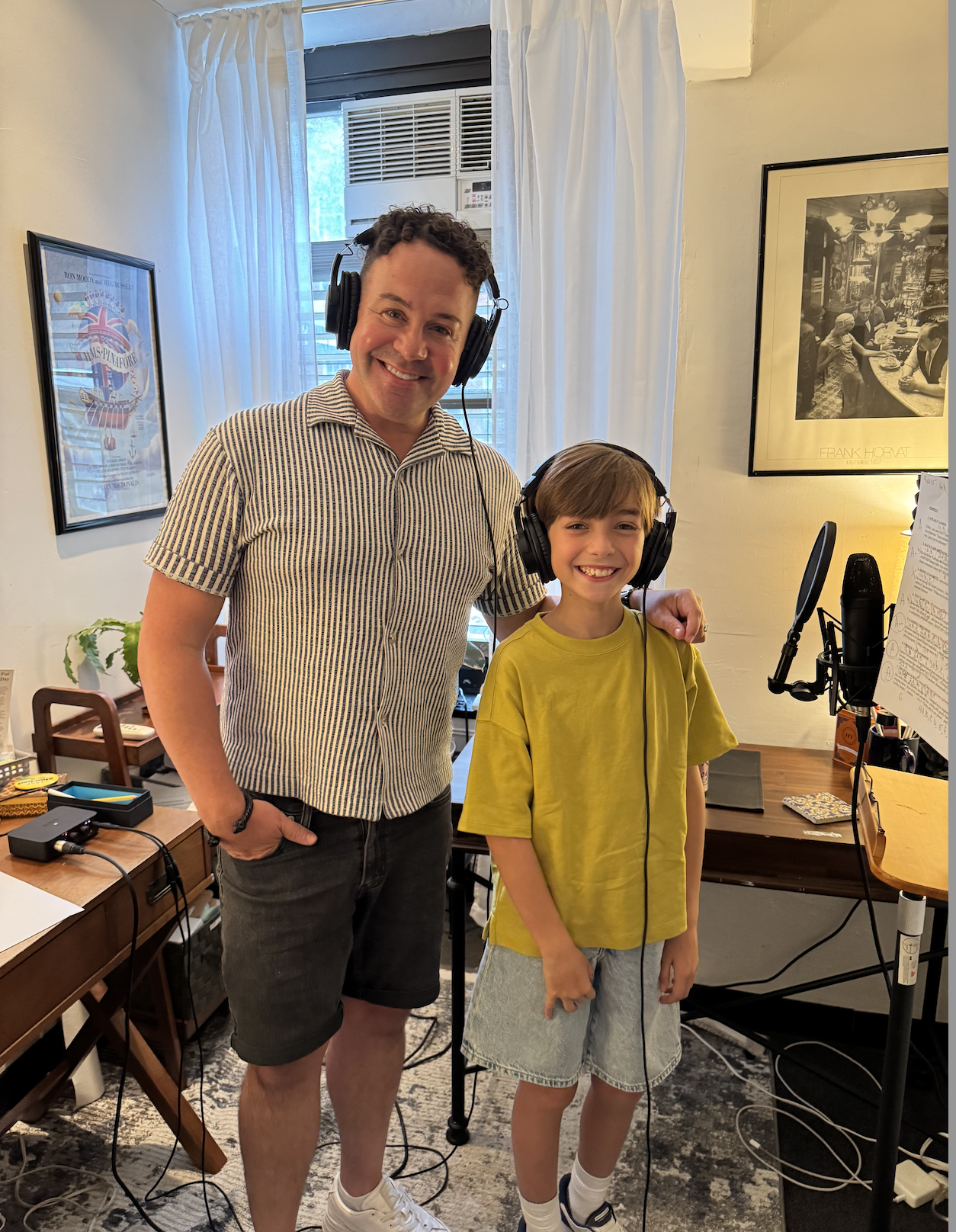
The recording studio can be an intimidating environment, but our supportive New York City voice-over coaches make it an exciting and educational experience. We partner with professional recording studios, providing your child with hands-on experience in a real industry setting. They learn microphone technique, how to take direction effectively, and the discipline required for successful studio work. This invaluable exposure not only results in high-quality recordings but also builds confidence and prepares them for future professional engagements.

Expert Mixing, Mastering, and Demo Production

After recording, the raw audio needs expert refinement. Our team oversees the professional mixing and mastering of each segment, ensuring optimal sound quality, seamless transitions, and a polished final product. We then compile these expertly produced clips into a concise, impactful demo reel that grabs the attention of casting directors and agents. The goal is a demo that is not only technically superior but also strategically structured to showcase your child’s very best work.

Elevate Their Voice: Start Their Voice-Over Journey Today!

Give your child the ultimate tool to break into the booming voice-over industry. A professional demo from Broadway Kids Auditions will showcase their talent and open doors to exciting roles. Contact us today to learn more about our Voice-Over Demo production services and schedule a consultation. Let’s help your child’s voice be heard!

Read More
erin reese erin reese

The Unexpected Confidence Boost: Why Theater Training for Kids is a Game-Changer

When a child shows an interest in the performing arts, it’s a moment of great excitement for the whole family. However, at Broadway Kids Auditions, we've found that many parents initially focus on a single goal: booking the next big role.

When a child shows an interest in the performing arts, it’s a moment of great excitement for the whole family. However, at Broadway Kids Auditions, we've found that many parents initially focus on a single goal: booking the next big role. While we love seeing our students succeed, our mission extends far beyond the audition room. We believe that the true value of theater training for kids lies in the profound life skills it instills. Our coaching is designed to help children grow as people, building the confidence and resilience they’ll need to thrive—whether they're on stage or in the classroom.


Step Out Of Your Comfort Zone

One of the most significant benefits of theater training is the boost it gives to a child’s confidence. Through the process of memorizing lines, embodying characters, and performing in front of others, children learn to express themselves. This repeated practice of stepping out of their comfort zone builds a sense of self-assurance that carries over into every aspect of their lives.


Mastering Essential Communication Skills

Theater is a masterclass in communication. Students learn to project their voice, articulate their words clearly, and use body language to convey emotion. These are skills that are not just for the stage. Clear and confident communication is vital for success in school, in social situations, and later, in their professional careers.


The Power of Camaraderie

Performing in a show is a collaborative effort, and our training emphasizes the importance of working together. Children learn to respect the contributions of their peers, give and receive constructive feedback, and support one another’s growth. This fosters a sense of camaraderie and teaches them the value of being part of a team.


Build Emotional Intelligence To Navigate Relationships

Theater training encourages children to explore their imaginations and tap into their creative side. They learn to empathize with different characters and understand various emotions, which directly builds their emotional intelligence. This ability to understand and navigate feelings is an invaluable skill for forming meaningful relationships and navigating life's challenges.


The skills we teach at Broadway Kids Auditions go far beyond perfecting a monologue or hitting a high note. We are committed to nurturing well-rounded individuals who are confident, articulate, and emotionally intelligent. Our virtual and in-person coaching, workshops, and industry showcases provide a comprehensive training ground that prepares your child for success both on and off the stage. We invite you to explore the Broadway Kids Auditions difference and see how our approach can help your child discover their full potential.

Read More
erin reese erin reese

The Benefits of Joining a Musical Theatre Group for Children

At Broadway Kids Auditions, we know that the world of musical theatre is about more than just hitting the high notes or mastering a dance number. While those are certainly important skills, the real value for young performers and their families goes much deeper.

At Broadway Kids Auditions, we know that the world of musical theatre is about more than just hitting the high notes or mastering a dance number. While those are certainly important skills, the real value for young performers and their families goes much deeper. We believe that by nurturing a child’s passion for the arts, you’re also helping them build a foundation of confidence, teamwork, and resilience that will serve them long after the final curtain call. For parents, understanding these broader benefits is key to seeing the true return on this wonderful investment.

Building Unshakeable Confidence and Self-Expression

Musical theatre gives young people a safe space to explore their emotions and express themselves. Every time a child steps on stage or even into an audition, they are overcoming fear and embracing their unique personality. This process directly builds confidence and self-esteem. As they learn to project their voice and embody different characters, our students at Broadway Kids Auditions become more comfortable in their own skin, both on and off the stage.

The Art of Collaboration and Teamwork

A show cannot go on with a single star. Musical theatre is a powerful lesson in teamwork. From the ensemble to the lead roles, every person has a crucial part to play. Kids learn how to listen to others, offer support, and work towards a shared goal. At Broadway Kids Auditions, we emphasize this collaborative spirit. Our programs teach kids that the success of the group is just as important as their individual performance, fostering a sense of community and mutual respect.

Fostering Discipline and Dedication

Mastering a song, a scene, or a dance requires commitment. Musical theatre teaches children the importance of discipline and a strong work ethic. They learn to be punctual, prepared, and dedicated to their craft through rehearsals and practice. These are not just performance skills; they are life skills. This focused approach helps our musical theatre kids develop the discipline they will carry with them into their schoolwork and future careers.

Nurturing Empathy and Emotional Intelligence

By stepping into the shoes of different characters, young performers develop a deeper sense of empathy. They learn to understand and portray a wide range of human emotions and experiences, which helps them become more emotionally intelligent and socially aware. This ability to connect with others on a profound level is a core benefit of every workshop and class we offer here at Broadway Kids Auditions.


Joining a musical theatre group is a profound experience that extends far beyond the stage. It's a journey of personal growth, skill-building, and self-discovery. We are incredibly proud to see our students flourish, not just as performers but as confident, collaborative, and empathetic individuals. Learn how Broadway Kids Auditions can help your child find their spotlight, whether in an audition room or in the world, by exploring our workshops and showcases.

Read More
erin reese erin reese

The Importance of an Acting Coach for Young Performers

For a young aspiring actor, raw talent is a great starting point, but it's rarely enough to navigate the competitive world of professional performance. Just as a young athlete needs a coach to master their sport, a young performer benefits immensely from the guidance of a professional acting coach. An acting coach serves as a mentor and an expert guide, providing the essential tools and support to turn potential into a successful career.

Expert Guidance and Professional Insight

An acting coach brings a wealth of knowledge and industry experience that a young performer and their family may not have. They understand the specific demands of different mediums, from the subtle nuances of on-camera acting to the grand presence required for the stage. A coach provides crucial insights into the business, helping young actors understand casting expectations, industry etiquette, and how to build a professional presence. This guidance can be the difference between a great performance and a successful audition.

Skill Development and Technique

While some children are naturally expressive, acting is a craft that requires discipline and technique. An acting coach helps young performers develop core skills such as character analysis, vocal projection, emotional recall, and physical presence. They teach them how to dissect a script and bring a character to life, ensuring their performances are authentic and compelling. This structured training builds a strong foundation that will serve them throughout their career.

Building Confidence and Professionalism

Acting coaches provide a safe, supportive environment for young performers to take risks and grow. By working through challenging material and receiving constructive feedback, a child builds confidence in their abilities. This mentorship teaches them to approach their craft with professionalism, take direction gracefully, and handle rejection with resilience—all vital skills for both a long-term career and life in general.

Audition Preparation and Strategy

One of the most critical roles of an acting coach is to prepare a young performer for the audition room. A coach helps select the right material, provides mock audition scenarios, and offers feedback on everything from an actor's headshot to their demeanor. This targeted preparation ensures the young performer is ready to deliver a confident and memorable performance, maximizing their chances of landing a role.

Ready to Help Your Child Succeed?

The journey of a young performer is challenging but incredibly rewarding. With the right coach, your child can unlock their full potential and achieve their dreams. Broadway Kids Auditions offers personalized coaching from industry experts dedicated to helping young performers shine. Learn more about our services and schedule a session that could be the first step toward a successful career.

Read More
erin reese erin reese

The Benefits of One-on-One Acting Lessons for Kids

Children dream big, and for many, that dream involves the stage or screen. While group classes offer a great introduction, one-on-one acting lessons provide a unique and powerful pathway to success. Broadway Kids Auditions (BKA) understands that every young performer is an individual, and our personalized approach is designed to help them thrive both in and out of the audition room.

Personalized Attention and Tailored Curriculum

In a private setting, a coach's full attention is dedicated to your child. There are no distractions, only focused, constructive feedback. This allows the coach to identify your child's specific strengths and weaknesses, tailoring a curriculum to address their individual needs. Whether they need to work on character development, cold readings, or vocal projection, private lessons ensure that every minute is spent on what matters most for their personal growth as a performer.

Building Confidence and Overcoming Nerves

The audition room can be an intimidating place, but one-on-one lessons create a safe space for your child to explore their creativity without the pressure of an audience. This focused environment helps build a strong foundation of confidence. By working through scenes and monologues repeatedly, they become more comfortable with the material and with themselves, making it easier to overcome audition nerves and deliver a stellar performance when it counts.

Audition Preparation and Skill Refinement

Broadway Kids Auditions specializes in real-world audition preparation for musical theatre, film, TV, and voiceover. Private coaching allows us to simulate the actual audition experience, providing invaluable practice and feedback. We can refine a child's song interpretation, perfect their monologue delivery, and teach them how to handle the specific demands of professional casting directors. This targeted training gives them the competitive edge needed to land roles in national tours, Broadway shows, and TV series, just as many of our alumni have.

Flexibility and Convenience

We understand that modern families have busy schedules. One-on-one lessons at Broadway Kids Auditions offer the ultimate in flexibility. With the option of both live sessions in New York City and virtual sessions for students worldwide, you can find a time that works for you. This convenience ensures that your child can receive top-tier coaching no matter where you are, making consistent training easier than ever before.

Ready to Help Your Child Shine?

One-on-one coaching is an investment in your child’s future, helping them not only become a better actor but also a more confident, resilient, and focused individual. The personalized attention and tailored training from our expert coaches provide the essential tools for success. Visit BroadwayKidsAuditions.com to learn more and schedule a private coaching session today.

Read More
erin reese erin reese

Audition Stronger, Shine Brighter: NYC’s Top Kids Audition Coaching

Dreaming of the big stage or the silver screen? Finding the right NYC kids' audition coaching is the first step to turning that dream into a reality. We'll show you how to build confidence that shines, develop skills that get you noticed in NYC Broadway auditions, and prepare for incredible opportunities like our BKA Wicked Intensive.

Dreaming of the big stage or the silver screen? Finding the right NYC kids' audition coaching is the first step to turning that dream into a reality. We'll show you how to build confidence that shines, develop skills that get you noticed in NYC Broadway auditions, and prepare for incredible opportunities like our BKA Wicked Intensive.

Go Beyond the Script

True performance isn't just about reciting lines; it's about owning the room with confidence. Our coaching at BKA is designed to help your child discover what makes them unique and turn it into their greatest strength. We help them connect with the material personally, so their personality shines through, whether they’re in the room or on a self-tape.

Get the NYC Edge, From Anywhere

While we are proud to offer the best NYC acting classes right here in the heart of the industry, our BKA family extends far beyond New York. Through our virtual on-camera classes with NYC-quality instruction and private online coaching, we bring top-tier training directly to your family in states like Arizona, California, Florida, Texas, and across the country. You get the same expert instruction, no matter your zip code.

Prepare for Your Big Break

The path to Broadway auditions for kids requires skill, passion, and preparation. Our coaches provide the specific techniques and industry insight your child needs to feel ready for any opportunity. We focus on building a strong foundation in musical theatre and acting that will serve your child throughout their entire career.

Your Spotlight Moment: The BKA Wicked Intensive

One of our most talked-about programs is the BKA Wicked Intensive. This is an unparalleled experience where your child will get to dive deep into material from one of Broadway’s most beloved shows. It’s a powerful opportunity for intensive growth, fun, and making connections that last a lifetime. Keep an eye on our workshop schedule for news on our next session!

Join the BKA Family

Ready to take your child’s performance to the next level? Connect with Broadway Kids Auditions today. Let's work together to unlock their potential and get them ready for their spotlight. Learn more about our upcoming intensives and book a session today!

Read More
erin reese erin reese

The Real Secret to Booking: Why Kids Need Audition Coaching

Think raw talent is all your child needs to succeed in NYC Broadway auditions? It’s a great start, but the real secret to booking the job goes deeper. At Broadway Kids Auditions, we believe in pairing talent with strategy. The most crucial element is one that many young actors miss: direct industry feedback. We’ll show you why specialized kids' audition coaching is the key to unlocking your child’s potential.

Think raw talent is all your child needs to succeed in NYC Broadway auditions? It’s a great start, but the real secret to booking the job goes deeper. At Broadway Kids Auditions, we believe in pairing talent with strategy. The most crucial element is one that many young actors miss: direct industry feedback. We’ll show you why specialized kids' audition coaching is the key to unlocking your child’s potential.

It’s More Than Just Talent

Your child is talented, dedicated, and passionate—we know that. They might be the star of their school play or have the best voice in the choir. While that raw ability is essential, it doesn’t guarantee a callback. The entertainment industry has its own set of rules, and understanding them is what separates a good performer from a working performer.

The Real Secret: Industry Feedback

So, what’s the secret sauce? It’s getting your child’s performance in front of the people who make the decisions: casting directors. This is where the magic happens. Real, actionable feedback from a top industry professional is the single most valuable tool your child can have. It’s not just about what to do; it’s about understanding why from the perspective of the person on the other side of the table.

Gain an Unbeatable Edge in Our Workshops

Our exclusive industry workshops are designed to provide exactly that. We connect your child directly with top casting directors who see hundreds of actors every day. In these sessions, your performer will get direct feedback to hone their audition skills, gain invaluable industry insights on what casting is really looking for, and build the confidence to stand out from the crowd.

From NYC to You, Wherever You Are

Whether you’re looking for NYC kids audition coaching in person or joining us online from states like California, Illinois, or Georgia, we bring this industry access to you. Our goal is to make elite training accessible, giving your child the tools to walk into any audition room feeling prepared, confident, and ready to book the role.

Take Action and Start Booking

Don't just dream about your child booking the role—give them the strategic tools to make it happen. It’s time to go beyond classes and get the industry feedback that truly makes a difference. Connect with Broadway Kids Auditions today to learn more about our exclusive industry workshops and start turning auditions into offers.

Read More
erin reese erin reese

Tips for Preparing Kids for Auditions on Broadway

Is your child dreaming of seeing their name in lights on Broadway? At Broadway Kids Auditions, we know that preparing for a NYC Broadway audition can feel like a big undertaking, but with the right guidance, your young star can confidently step into that audition room.

Is your child dreaming of seeing their name in lights on Broadway? At Broadway Kids Auditions, we know that preparing for a NYC Broadway audition can feel like a big undertaking, but with the right guidance, your young star can confidently step into that audition room. Ready to help your child achieve their Broadway dreams? Sign up for our next workshop today!

Mastering the Material

The foundation of any successful audition is a thorough understanding of the material. Encourage your child to memorize their lines and songs completely, focusing not just on the words and notes, but also on the emotion and intention behind them. Practice performing in front of family and friends to build confidence and identify areas for improvement.

Stage Presence and Movement

Broadway isn't just about singing or acting; it's about captivating an audience. Help your child develop strong stage presence by encouraging them to project their voice, make eye contact, and use expressive body language. If the audition requires dance, ensure they are comfortable with the choreography and can execute it cleanly and with energy. Most of all, it’s important for the artist to know “why” they are singing the song, “who” they are singing it to, and “what” they want in the song, monologue or scene! 

The Power of Practice Auditions

Familiarity breeds comfort. Recreate the audition environment at home as closely as possible. Set up a mock "panel" and have your child perform their pieces as if it were the real thing. This helps them get accustomed to the pressure and allows them to practice their entrance, performance, and exit, mimicking the professional setting.

Nailing the Nerves

Audition nerves are natural, but they don't have to derail a great performance. Teach your child simple calming techniques like deep breathing exercises. Remind them that casting directors want them to succeed and that it's okay to be excited. Emphasize that the most important thing is to have fun and show their passion for performing.

Preparing for a NYC Broadway audition is a journey that requires dedication, practice, and a positive mindset. By focusing on these key areas, you can empower your child to walk into their audition feeling prepared, confident, and ready to shine. Don't let this opportunity pass by! Contact our team at Broadway Kids Auditions to learn more about our upcoming programs and give your child the advantage they deserve!

Read More
erin reese erin reese

The Importance of On-Camera Coaching for Young Actors

The Importance of On-Camera Coaching for Young Actors - Broadway Kids Auditions

Ready to help your young actor shine on screen? At Broadway Kids Auditions, we know the unique demands of on-camera performance. That's why we champion the invaluable role of on-camera classes in NYC for young actors. It's not just about memorizing lines; it's about understanding the subtle nuances that translate effectively from stage to screen. Learn more about why these coaching sessions are essential for your young actor, then contact us to get started!

The Close-Up Demands Authenticity

Unlike the expansive gestures of stage acting, on-camera work thrives on authenticity and subtlety. A slight eye movement or a barely perceptible facial expression can convey volumes. On-camera coaching teaches young actors how to internalize emotions and communicate them with a naturalism that reads powerfully in a close-up. 

Mastering Technical Skills

Beyond emotional truth, on-camera acting requires specific technical proficiencies. Young performers need to understand concepts like hitting their mark, maintaining eye lines, and working within the frame. Coaching helps them navigate these technical aspects seamlessly, allowing them to focus on their performance rather than getting lost in the logistics of filmmaking.

Building Confidence in a New Medium

For young actors primarily experienced in theater, stepping in front of a camera can be intimidating. On-camera coaching provides a safe space to experiment and build confidence in this new medium. They learn to trust their instincts and embrace the vulnerability that on-camera work often demands, transforming potential apprehension into empowered performances.

Navigating Audition Success

Many acting opportunities for young performers now begin with a self-tape or virtual audition. On-camera coaching is crucial for mastering this format. From proper lighting and sound to engaging presentation and effective self-direction, coaching provides the tools to create compelling audition tapes that stand out and showcase talent effectively.

At Broadway Kids Auditions, we believe that investing in on-camera coaching is an investment in your child's future as a versatile and successful performer. Help them unlock their full potential and prepare for the exciting world of on-screen acting. Contact us today to learn more about our on-camera classes in NYC! 

Read More
erin reese erin reese

Self-Tape Success: How to Bring Your True Self to Every Audition!

At BKA, we believe that regular practice builds confidence and makes your self-tapes shine. Our incredible coaches—Brett Teresa, Melissa Rain Anderson, and Michael Brian Dunn—bring real Broadway experience and a passion for helping young performers grow. Through our virtual on-camera classes, you'll gain the skills to feel natural on screen and truly stand out. Be bold, be yourself, and keep practicing—you’ve got this!

At BKA in New York City, we know that mastering the art of self-taping is crucial for aspiring actors navigating the competitive landscape of auditions. With our on-camera virtual classes, we emphasize the importance of making a strong first impression. Here are four key points to help you nail your self-tapes and captivate casting directors:

The 3-Second Rule

Casting directors often review countless submissions, so making an impression in the first three seconds is vital. Start with bold choices that immediately showcase your understanding of the character and the world they inhabit. This initial hook can set you apart from other actors vying for the same role. 

Authenticity Matters

Your unique personality should shine through your performance. Authenticity is key in self-taping; let your true self come alive in your chosen character. This approach allows casting directors to connect with you on a personal level, which can influence their decision-making process.

Vocal Quality is Essential

When performing songs or delivering lines, ensure your voice is clear and resonant. Casting directors need to hear not only your vocal ability but also the emotion behind your singing. Strong vocal delivery can leave a lasting impression, showing your readiness for the role. Additionally, an on-camera coach can help you prepare.

Practice Makes Perfect
We can’t say it enough—practice really does make perfect, especially when it comes to self-taping. The more you record yourself, the more comfortable and confident you’ll feel in front of the camera. Watch those tapes back, notice what shines, and tweak the things that could use a little extra polish. It’s all part of the journey, and trust us, it gets easier (and more fun!) the more you do it.

At Broadway Kids Auditions here in NYC, we’re all about helping you grow. Our incredible coaches—like Brett Teresa, whose goal is to align passion with technique, the inspiring and detail-driven Melissa Rain Anderson, and the endlessly insightful Michael Brian Dunn—bring years of real Broadway experience and a deep passion for helping young actors thrive. Whether you're working on your first monologue or perfecting a scene for a big audition, they’ll guide you every step of the way in our on-camera virtual classes.

Self-tapes can feel intimidating, but with the right support, they become exciting opportunities to let your unique personality shine. Focus. Practice. Be your authentic self—and don’t be afraid to take risks!

So get out there and go for it. Be bold, be brave, and most of all—have fun!

With lots of encouragement,
Kurt and the BKA Team

Read More
erin reese erin reese

BKA offers In-Person NYC Workshops!

BKA offers In-Person NYC Workshops!

BKA offers In-Person NYC Workshops! We are thrilled to present the “WICKED” Song and Scene Character Study Intensive, happening from June 20-22, 2025, in the bustling heart of New York City. This immersive kids acting lessons workshop offers young performers an incredible opportunity to dive deep into the beloved musical, "WICKED." Participants will engage in hands-on training, focusing on character development, vocal techniques, and scene work under the guidance of experienced industry professionals. Whether your child is a budding actor or an avid musical theatre enthusiast, this acting coach for kids will enhance their skills and confidence on stage, all while having a blast! At a price of $895, they will gain invaluable insights and tools to elevate their performances. Don’t miss this chance for your child to learn from the best acting coach and experience the magic of "WICKED" firsthand. Register today and watch them flourish in this dynamic and supportive environment!

Read More
Kurt Kurt

10 Must-Know Tips for Parents Supporting Kids in Acting and Musical Theatre

As a parent, supporting your child’s dreams of becoming a Broadway star or landing a role in a TV show can be both exciting and overwhelming. From navigating auditions to balancing school and extracurriculars, helping your child succeed in acting and musical theatre requires a thoughtful approach.

At Broadway Kids Auditions (BKA), located in the heart of New York City, we’ve worked with hundreds of parents and kids, helping them navigate the competitive world of acting and theatre. Whether your young performer dreams of starring on Broadway or excelling in local NYC theatre productions, these 10 must-know tips will help you support them every step of the way.

1. Understand Your Child’s Passion

Before diving into acting classes or auditions, take the time to understand why your child loves acting or musical theatre. Is it the thrill of performing? The joy of singing? The camaraderie of being in a cast? Knowing their “why” can help you guide them toward opportunities that align with their goals and keep them motivated.

Pro Tip: Many kids dream of performing on Broadway, but exploring local NYC theatre opportunities—like community stages or workshops—can be an excellent starting point.

2. Research the NYC Acting and Theatre Industry

New York City is the entertainment capital of the world, making it a prime location for young performers. To support your child’s journey, it’s essential to understand how the local industry operates, including:

  • NYC-based auditions (in-person and virtual)

  • The best acting coaches and programs in the city

  • Networking events and workshops for young actors

  • The importance of headshots, resumes, and self-tapes tailored for New York casting directors

Staying informed will help you make better decisions and ensure your child is prepared for the unique challenges of the NYC acting scene.

Recommended Resource: Check out BKA’s expert-led workshops in NYC, where we break down industry essentials for both kids and parents.

teenage girl in blue dress from Broadway kids auditioning in NYC and nailing the note!

One of our Broadway kids auditioning in NYC nails the note

3. Provide Emotional Support

Theatre kids face rejection more often than success—it’s the nature of the business, especially in a competitive city like New York. Your child might not get every role they audition for, and that’s okay. Be their biggest cheerleader, reminding them that every “no” is one step closer to a “yes.”

Quick Tip: Celebrate their effort, not just their results. Say things like, “I’m so proud of the hard work you put into that audition,” rather than focusing on the outcome.

4. Help Them Stay Organized

Between auditions, rehearsals, and schoolwork, your child’s schedule can quickly become overwhelming. This is especially true in NYC, where auditions and callbacks can pop up at a moment’s notice. Teach them how to manage their time effectively by:

  • Creating a shared calendar for rehearsals and auditions.

  • Setting aside specific time for schoolwork and relaxation.

  • Keeping track of deadlines for self-tape submissions and callbacks.

Bonus: Download our free Broadway Audition Checklist for NYC Kids to help your child stay organized and confident.

5. Invest in the Right Training

Acting and musical theatre require continuous skill-building. Enroll your child in classes or programs that focus on:

  • Acting techniques (e.g., scene study, character development).

  • Vocal training and performance.

  • Dance and movement skills for stage performance.

NYC is full of incredible opportunities for kids to train with professionals who understand the demands of Broadway. At Broadway Kids Auditions, we offer top-tier coaching and workshops tailored to NYC kids and teens, ensuring they’re prepared for auditions and beyond.

Pro Tip: Look for programs with experienced NYC coaches who have direct connections to Broadway and local theatre productions.

Renee Rapp has fun teaching at one of BKA's NYC acting workshops for kids

Singer-songwriter and actress Renee Rapp has fun teaching at one of BKA's NYC acting workshops for kids

6. Keep It Fun

While your child may take their Broadway dreams seriously, it’s important to keep the experience enjoyable. Encourage them to explore different roles and genres, and remind them that acting should be as much about the process as it is about the result.

Activity Idea: Take advantage of NYC’s rich theatre scene by attending kid-friendly Broadway shows or local performances together to inspire them.

7. Network with Other Parents (Especially in NYC)

There’s a lot to learn as a parent of an aspiring performer, and other parents can be a valuable resource. In NYC, there are countless opportunities to connect with families on a similar path, such as:

  • Joining local theatre groups or Facebook communities.

  • Attending workshops and events hosted by organizations like Broadway Kids Auditions.

  • Sharing tips and advice with other parents at auditions or classes.

At BKA, we’ve created a supportive community for NYC parents to share advice, ask questions, and connect with industry professionals.

Join Now: Check out our Facebook page for Broadway Kids Auditions parents in NYC!

8. Teach Them Resilience

The entertainment industry is full of ups and downs, and building resilience is key to long-term success. Teach your child how to handle rejection, learn from feedback, and stay positive. Remind them that every audition is a learning experience, whether or not they land the role.

Mantra to Share: “Your talent will shine when the right role comes along.”

9. Support Their Growth Beyond Theatre

While acting and musical theatre may be their passion, it’s important to help your child develop a well-rounded identity. Encourage them to:

  • Stay engaged in school and hobbies outside of theatre.

  • Build friendships both inside and outside of the performing arts world.

  • Take breaks to recharge and avoid burnout.

This balance will not only make them happier but also add depth to their performances.

a young girl smiling as she learns to trust the process at Broadway Kids Auditions’ NYC acting classes for kids

Learning to trust the process at Broadway Kids Auditions’ NYC acting classes for kids

10. Trust the Process

Every child’s journey in acting and musical theatre is unique. Some may land a role quickly, while others may take years of training and auditions to break through. Trust that with the right support, training, and opportunities, your child will grow both as a performer and as a person.

At Broadway Kids Auditions, located in New York City, we focus on helping kids develop confidence, resilience, and professional skills—values that will serve them on and off the stage.


Why NYC Is the Perfect Place for Aspiring Performers

New York City offers unparalleled opportunities for young actors and singers. From Broadway stages to off-Broadway productions and community theatre, the city is brimming with chances for kids to gain experience and grow as performers. At Broadway Kids Auditions, we provide the training and support NYC kids need to stand out in this competitive environment.

A BKA teenage boy singing his heart out on stage at a BKA workshop in NYC

BKA’s workshops, guides, and a supportive NYC-based community can help you navigate your child’s performing arts journey

Why Broadway Kids Auditions is the Perfect Partner for NYC Parents

At Broadway Kids Auditions, we understand the challenges parents face when supporting their child’s Broadway dreams. That’s why we offer:

  • Expert Coaching: From audition prep to vocal training, our coaches are industry professionals based in NYC who know what it takes to succeed.

  • Parent Resources: Workshops, guides, and a supportive NYC-based community to help you navigate your child’s performing arts journey.

  • Student Success Stories: Our students have landed roles in Broadway shows, national tours, and TV series. Your child could be next!


Ready to Support Your Child’s Broadway Dreams?

If you’re looking for expert guidance, top-notch training, and a community of like-minded parents and performers in NYC, Broadway Kids Auditions is here for you. Explore our membership program for personalized coaching, audition workshops, and much more.

CTA: Click here to learn more about our NYC membership program and start your child’s journey to Broadway today!

Read More
Self Tapes For Teens Kurt Self Tapes For Teens Kurt

How to Make Your Self-Tape Stand Out: Tips for Teen and Kid Actors 🎭

If you’re a young performer dreaming of Broadway, TV, or film success, you’ve likely heard the term “self-tape” countless times. Self-tapes have become a cornerstone of the casting process, allowing actors to audition from anywhere in the world. But here’s the catch: casting directors often receive hundreds of submissions for a single role. So, how do you make your self-tape stand out from the crowd?

If you’re a young performer dreaming of Broadway, TV, or film success, you’ve likely heard the term “self-tape” countless times. Self-tapes have become a cornerstone of the casting process, allowing actors to audition from anywhere in the world. But here’s the catch: casting directors often receive hundreds of submissions for a single role. So, how do you make your self-tape stand out from the crowd?


At Broadway Kids Auditions (BKA), located in the heart of New York City, we specialize in helping kids and teens ages 8–18 nail their auditions and land roles on Broadway stages, streaming platforms, and TV shows. One of the most critical aspects of auditioning is making a lasting first impression—and for self-tapes, that first impression happens in the opening seconds.


In this blog post, we’ll break down some expert tips to help young performers create self-tapes that grab casting directors’ attention and dramatically increase their chances of booking the role.

Why First Impressions Matter in Self-Tapes

Casting directors are busy people. For every audition, they may receive hundreds—or even thousands—of self-tapes. While they’ll likely watch every submission, they don’t have to watch the entire video. This means the first few seconds of your self-tape are crucial.


So, what makes a strong first impression? A self-tape that immediately captures the essence of the character, showcases your unique talent, and demonstrates your understanding of the material. In other words, you need to:

  • Make bold choices right from the start.

  • Showcase your vocal or acting skills immediately.

  • Create a sense of the character’s world and environment.

Let’s dive deeper into how you can accomplish this.

Teen boy actor sings for Broadway audition in NYC

1. Start Strong: Bold Choices from the First Frame

The first few seconds of your self-tape set the tone for the entire audition. Casting directors want to see confidence, preparation, and a clear understanding of the material. Here’s how to start strong:

a) Understand the Character’s World

Before you hit “record,” take time to study the script, sides, or song. Ask yourself:

  • What is the character feeling in this moment?

  • What’s their relationship to the other characters or the environment?

  • What’s their goal in the scene?

By understanding the character’s world, you can make informed choices that feel authentic and intentional. When you bring the character’s environment to life—whether it’s a Broadway stage, a bustling city, or a quiet room—it shows casting directors that you’ve done your homework.

b) Make Specific, Memorable Choices

It’s better to make a bold choice and stand out than to play it safe and fade into the background. This doesn’t mean overacting or being theatrical, but rather finding unique ways to interpret the material. For example:

  • Add subtle layers to your performance, like a moment of hesitation or a glance that adds depth to the character.

  • Emphasize the stakes of the scene—what does the character have to lose?

Specificity can turn a good audition into a great one.

2. Showcase Your Vocal Quality Immediately

For musical theater auditions, your voice is your most powerful tool. Casting directors need to hear your vocal quality right away. If you’re submitting a self-tape for a singing role, follow these tips:

a) Choose the Right Song

Pick a song that highlights your strengths and fits the character. Don’t just sing your favorite Broadway hit—choose something that complements the role you’re auditioning for. Remember:

  • Avoid songs that are overdone or too closely associated with a specific performer.

  • Select a song that showcases your vocal range and emotional connection to the material.

b) Nail the First Few Notes

The first notes you sing set the tone for the entire audition. Warm up beforehand to ensure your voice is ready to shine. Make sure the opening of your song is polished, confident, and engaging.

c) Focus on Storytelling

Singing isn’t just about hitting the right notes—it’s about telling a story. Bring the lyrics to life by connecting emotionally to the material. This shows casting directors that you understand the character and the world they live in.

3. Technical Tips for a Professional Self-Tape

Even the best performance can fall flat if your self-tape isn’t technically polished. Follow these guidelines to ensure your tape looks and sounds professional:

a) Choose the Right Background

Use a clean, neutral background that doesn’t distract from your performance. A plain wall or curtain works best. Avoid cluttered or brightly patterned backgrounds.

Teen actor in NYC Looking in mirror

Make sure you’re centered in the frame and maintain good eye contact with the camera.

b) Use Good Lighting

Good lighting is essential to make sure your face is clearly visible. Natural light works well, but if you’re taping indoors, use a ring light or softbox light to eliminate shadows.

c) Invest in Clear Audio

Casting directors need to hear every word you say (or sing). Use a high-quality microphone or position yourself close to your phone or camera for clear audio. Reduce background noise by recording in a quiet space.

d) Frame Yourself Correctly

For most auditions, a medium-close shot (from your chest up) works best. Make sure you’re centered in the frame and maintain good eye contact with the camera.

e) Test Before You Submit

Always review your self-tape before sending it in. Check for:

  • Clear audio and visuals.

  • A strong opening that grabs attention.

  • Any distractions that could pull focus from your performance.

4. End Strong: Leave a Lasting Impression

Just as the beginning of your self-tape is important, the ending should leave a lasting impression. Finish with a moment or choice that sticks in the casting director’s mind. Whether it’s a subtle emotional shift or a powerful vocal note, make sure your performance ends on a high note.

5. Learn from Feedback

No matter how good you are, there’s always room to grow. At Broadway Kids Auditions, we offer self-tape feedback and review sessions to help young performers polish their tapes and improve their chances of booking roles. Our experienced coaches provide actionable advice to help you refine your technique, make stronger choices, and stand out in a crowded field.

Why Self-Tape Success Matters

In today’s industry, self-tapes often serve as the first point of contact between actors and casting directors. A well-crafted self-tape can:

  • Help you land callbacks and auditions for major roles.

  • Show casting directors that you’re professional, prepared, and talented.

  • Open doors to opportunities in Broadway, TV, film, and beyond.

At Broadway Kids Auditions, we’ve helped countless young performers land roles in major productions like The Music Man, Les Misérables, and Trevor: The Musical. With the right preparation and coaching, your self-tape could be next!

Final Thoughts: Your Next Role Starts Here

Creating a standout self-tape isn’t just about following technical guidelines—it’s about showcasing your unique talent, making bold choices, and connecting with the character’s world. By starting strong, showcasing your vocal or acting skills, and paying attention to technical details, you can create a self-tape that grabs casting directors’ attention and leaves a lasting impression.

If you’re ready to take your self-tapes to the next level, Broadway Kids Auditions is here to help. From private coaching to feedback sessions, we provide the tools and expertise young performers need to succeed. See our coaching packages here

Looking for expert self-tape coaching in NYC? Visit our Google Business Profile for directions, reviews, and more information about our services."

🎬 Ready to shine in your next self-tape audition? Contact us today to learn more about our services and start your journey to Broadway success!


FAQs:

  • Q: Where is Broadway Kids Auditions located?
    A: Broadway Kids Auditions is located in New York City, offering expert coaching and self-tape services for kids and teens pursuing Broadway, film, and TV roles.

  • Q: Do you offer self-tape coaching for teens outside of NYC?
    A: Yes! While our studio is in NYC, we also offer virtual self-tape coaching for teens worldwide.

  • Q: How can I book a self-tape coaching session?
    A: You can book a session directly through our website or by visiting our Google Business Profile for more details.

Read More
Kurt Kurt

Mastering the Art of Auditions: How Broadway Kids Auditions Elevates Young Performers in NYC

What truly makes Broadway Kids Auditions stand out is our commitment to bridging the gap between training and real-world auditions. We offer exclusive industry workshops led by active casting directors – the very professionals who make crucial decisions in the audition room.

Introduction

Landing a role in musical theatre, film, or TV is no easy feat, especially in the competitive world of New York City’s entertainment industry. Young performers face countless auditions, each demanding a unique combination of singing, acting, and dancing skills. But what does it really take to stand out and succeed?

At Broadway Kids Auditions (BKA), we understand the challenges that kids aged 8-18 face in their journey to becoming successful performers. Our specialized programs are designed not just to hone their skills but to prepare them for the realities of the audition process. By combining comprehensive training with valuable industry feedback, BKA provides young performers with the tools they need to shine.

The Importance of Comprehensive Training in Performing Arts

Why Well-Rounded Training is Crucial for Young Performers

Auditions in musical theatre, film, and TV require more than just talent; they demand versatility. A performer needs to master singing, acting, and dancing to truly make an impression. At BKA, we offer specialized training in each of these areas, ensuring that every student develops a well-rounded skill set.

Our classes are tailored to different age groups, focusing on the unique needs of kids aged 8-18. This age-specific approach allows us to provide the right level of challenge and support, helping young performers build confidence and competence in their craft.

The Role of Industry Feedback in Shaping Successful Auditions

How Industry Feedback Can Make or Break an Audition

By participating in these workshops, young performers get the chance to receive direct feedback from the very people who make casting decisions.

One of the key elements that set BKA apart is our emphasis on industry feedback. We know that understanding what casting directors are looking for is essential to nailing an audition. That’s why we offer workshops with casting directors who are actively involved in the industry. These professionals are the gatekeepers who see countless auditions every day, and their insights are invaluable.

By participating in these workshops, young performers get the chance to receive direct feedback from the very people who make casting decisions. This feedback helps them understand industry expectations and refine their approach, giving them a significant edge in auditions.

As highlighted in our video, “At Broadway Kids Auditions, we offer a plethora of industry workshops with casting directors... By going in and really trying new things, getting their feedback and getting those finishing touches, it really helps you to know the right way to audition and what the industry expectations are.”

Workshops and Private Coaching: The Path to Perfecting Your Craft

Why Workshops and Private Coaching are Essential to Audition Success

BKA’s workshops are more than just classes; they are opportunities to experiment, grow, and gain confidence in a supportive environment.

BKA’s workshops are more than just classes; they are opportunities to experiment, grow, and gain confidence in a supportive environment. We bring in working actors and casting directors to lead these workshops, offering young performers a chance to learn from those who know the industry inside out.

In addition to group workshops, BKA offers private coaching sessions that provide personalized attention. These sessions are tailored to the individual needs of each student, allowing them to focus on specific areas of improvement. Whether it’s refining a monologue, perfecting a dance routine, or working on vocal techniques, private coaching helps young performers reach new heights in their craft.

Learning from Working Actors: Real-World Insights

Gain Insights from Actors Who Are Actively Booking Roles

There’s no substitute for learning from someone who is actively succeeding in the industry.

There’s no substitute for learning from someone who is actively succeeding in the industry. That’s why BKA regularly brings in working actors to share their experiences and tips with our students. These actors understand the current audition landscape, and their firsthand insights are incredibly valuable.

In our workshops, these professionals share what has worked for them in auditions, what casting directors are looking for, and how to handle the pressures of the industry. This real-world knowledge helps our students understand what it takes to succeed and how to apply these lessons in their own auditions.

Developing Audition Skills That Stand Out

Mastering the Art of Auditioning: Tips from Broadway Kids Auditions

Confidence matters: Walk into the audition room with confidence, but don’t be afraid to show vulnerability in your performance.

Auditioning is an art form in itself, and mastering it requires more than just technical skills. Confidence, preparation, and adaptability are key components of a successful audition. At BKA, we teach young performers how to present themselves in the best light, how to handle unexpected challenges, and how to make a lasting impression.

Here are some actionable tips from our experts:

  • Preparation is key: Know your material inside and out, but be ready to adapt if asked to try something different.

  • Confidence matters: Walk into the audition room with confidence, but don’t be afraid to show vulnerability in your performance.

  • Be yourself: Casting directors want to see your unique personality and how you bring a character to life.

Through our programs, BKA helps young performers develop the skills that make them stand out in a crowded audition environment.

The Long-Term Benefits of Training with Broadway Kids Auditions

How BKA Prepares You for a Successful Career in Performing Arts

Training with Broadway Kids Auditions offers long-term benefits that go beyond just landing a role. Our programs help young performers build confidence, develop resilience, and cultivate a professional mindset – all of which are essential for a successful career in the performing arts.

Many of our past students have gone on to achieve great success, landing roles in major productions and continuing to grow in their careers. Their stories serve as a testament to the effectiveness of our training programs and the value of the industry feedback and real-world insights we provide.

If you’re serious about pursuing a career in the performing arts, consider enrolling in BKA’s programs to take your skills to the next level.

Conclusion

In the competitive world of performing arts, talent alone isn't enough. Success requires a combination of refined skills, industry knowledge, and the confidence to shine in high-pressure situations. At Broadway Kids Auditions, we provide young performers with all these tools and more.

Whether your child dreams of Broadway stardom, silver-screen success, or making it big on TV, BKA offers the training, exposure, and support needed to turn those dreams into reality. We invite you to join us and discover how we can help elevate your young performer's career to new heights.

Ready to take the next step? Watch the video below to learn more about how Broadway Kids Auditions can help you perfect your audition skills and succeed in the world of musical theatre, film, and TV.

Watch this video to learn more about how Broadway Kids Auditions can help you perfect your audition skills and stand out in the competitive world of musical theatre, film, and TV.

FAQs

  1. Q: What age group does Broadway Kids Auditions cater to?
    A: BKA offers programs for young performers aged 8 to 18.

  2. Q: How often are industry workshops held?
    A: We regularly schedule workshops with casting directors and working actors. Check our website for the latest schedule.

  3. Q: Can beginners join Broadway Kids Auditions?
    A: Absolutely! We have programs suitable for all skill levels, from beginners to advanced performers.

  4. Q: How can I enroll my child in BKA programs?
    A: Visit our website or contact our admissions team to learn about current enrollment opportunities and to schedule an assessment.

  5. Q: Does BKA guarantee audition success?
    A: While we can't guarantee specific outcomes, our comprehensive training significantly improves a young performer's chances of success in auditions.

Read More
Kurt Kurt

The Ultimate Self-Tape Audition Guide: How to Sound Natural and Get Noticed!

Master the art of self-tape auditions with our expert guide. Learn key techniques to sound natural and get noticed in the competitive acting world. This is your ultimate resource for acing self-tape auditions!

Introduction

The Evolution of Auditions

The acting world has witnessed a significant transformation over the years, especially in how auditions are conducted. Gone are the days when auditions were exclusively in-person events. The digital age has introduced a more flexible and accessible method – the self-tape audition.

The Rise of Self-Tape Auditions

Auditions have come a long way from in-person meetings in cramped studios. Today, casting directors rely heavily on digital submissions, making self-tapes the norm rather than the exception. Self-tape auditions have become a staple in the industry, offering young actors the convenience of recording auditions from the comfort of their homes. This approach not only saves time but also opens doors to opportunities regardless of geographical boundaries.

Today, casting directors rely heavily on digital submissions, making self-tapes the norm rather than the exception.

Understanding Self-Tape Auditions

Definition and Purpose

A self-tape audition is simply a pre-recorded video submission where actors perform a given script (or sides). These can be one short scene, multiple scenes and can include songs and / or dance routines to learn for a project. It's an opportunity to showcase talent to casting directors without being physically present in the room.

The Advantages Over Traditional Auditions

Self-taping offers numerous advantages, such as 

  • Flexibility in scheduling, 

  • Ability to do multiple takes, 

  • The comfort of performing in a familiar environment.

The biggest advantage of self-taping is that it can level the playing field for actors from different locations. You no longer have to live in New York City or Los Angeles to submit on major projects.

Essential Equipment for Self-Taping

Incorporating technology in your audition process is not just about following trends; it's about adapting to the industry's needs. Understanding the nuances of digital auditions and mastering them can set you apart in a crowded field. Selecting an appropriate space for your self-tape can significantly impact the quality of your audition. You need a quiet, well-lit area that allows you to perform without distractions.

Camera and Microphone Essentials

Sound quality is as important as your performance. This section delves into choosing the right microphone and managing room acoustics for clear, professional audio.

Microphone Choices

Different microphones serve different purposes, and the choice of microphone can significantly impact the quality of your self-tape auditions. Understanding the nuances of each type and selecting the right one for your specific needs can elevate your performance from good to exceptional. Whether you're working with the built-in microphone of your camera or smartphone or considering an investment in an external microphone, making an informed choice is crucial.

Built-in Microphones: Convenience Meets Challenge

Most cameras and smartphones come equipped with built-in microphones. While these offer the utmost convenience, they often fall short in capturing clear, professional-quality sound. Built-in microphones tend to pick up a lot of background noise and can make your voice sound distant or echoey, especially in less-than-ideal recording environments.

Pros:

  • No additional equipment needed, making it perfect for actors on a tight budget or those just starting.

  • Ideal for quick auditions or initial practice takes.

Cons:

  • Lower sound quality, with a higher likelihood of capturing ambient noises.

  • Less control over audio levels and directionality.

If you're limited to a built-in microphone, consider recording in a quiet, carpeted room to minimize echo and background noise. Additionally, speaking directly towards the microphone and maintaining a consistent distance can help improve sound quality.

External Microphones: Elevating Your Audio

Investing in an external microphone can dramatically improve the sound quality of your self-tape auditions. External mics are designed to capture a clearer, more precise sound and often come with features that allow you to adjust for different environments and speaking volumes. There are several types to choose from, each with its own advantages:

Lavalier mics are small clip-on mics that attach to clothing

1. Lavalier Microphones

Lavalier, or lapel, microphones are small, clip-on mics that attach to your clothing. They are excellent for self-tape auditions because they can be positioned close to your mouth, ensuring your voice is captured clearly and consistently, even if you move around.

Pros:

  • Discreet and hands-free, allowing for natural movement.

  • Captures consistent audio quality, even with head movement.

Cons:

  • Can pick up clothing rustle if not positioned correctly.

  • Limited by the length of the wire, unless you invest in a wireless system.

A shotgun style mic used for self-tape audtiions

2. Shotgun Microphones

Shotgun microphones are highly directional, designed to pick up sound from where they are pointed while minimizing background noise. They are ideal for controlled environments where you can set the microphone just out of the camera's frame, aimed directly at your mouth.

Pros:

  • Excellent at isolating the speaker's voice from background noise.

  • Flexible positioning options.

Cons:

  • Requires a stand or boom pole for optimal placement.

  • More expensive than other options.

3. USB Microphones

USB microphones offer a simple plug-and-play solution for actors. They can be connected directly to a computer, making them an excellent choice for home studios. These microphones vary greatly in quality and price but can offer superior sound for your self-tapes.

Pros:

  • Easy to use with direct computer connection.

  • Offers a range of quality options to fit various budgets.

Cons:

  • May require additional software for optimal use.

  • Less portable than lavalier or shotgun microphones.

Making the Right Choice

When choosing a microphone, consider your recording environment, the type of auditions you'll be filming, and your budget. At BKA, we have found the built in microphone to be the most common option that works for most submissions. A lavalier microphone might be the best choice for actors who move a lot in their performances, while a shotgun microphone could be ideal for those recording in a fixed position. If you're frequently editing your tapes on a computer, a USB microphone might be the most convenient option.

No matter which microphone you choose, remember that clear, high-quality sound can make a significant difference in how casting directors perceive your performance. Investing time and resources into the right microphone setup can be just as important as perfecting your monologue or scene. With the right equipment, you'll be able to deliver self-tape auditions that sound natural, professional, and, most importantly, get you noticed.

Controlling Room Acoustics

Room echo and background noise can be detrimental to your audition tape. Learn how to control your room's acoustics for the best sound quality.Quality matters. A good camera and microphone can make a significant difference in your self-tape. They don't have to be expensive, but they should be capable of capturing clear video and audio.

Camera Essentials for Self-Tape Auditions

The camera serves as the window through which casting directors view your talent. Its quality, settings, and how you position it can greatly influence the overall impression of your self-tape auditions. Whether you're using the latest DSLR or a smartphone, understanding how to maximize your equipment's capabilities is key to producing a self-tape that stands out.

Selecting Your Camera

Professional Camera vs. Smartphones- Which Should You Use?

Professional Equipment vs. Smartphones

While professional-grade cameras can offer superior video quality, they're not a prerequisite for a successful self-tape. Modern smartphones are equipped with high-quality cameras that can capture excellent video, often rivaling traditional cameras. The key is knowing how to use your device to its fullest potential.

Pros of Professional Cameras:

  • Higher resolution and better low-light performance.

  • More control over depth of field, allowing for a more cinematic look.

  • External microphone input for improved audio quality.

Pros of Smartphones:

  • Accessibility and ease of use.

  • Integrated software for quick editing and sharing.

  • Constant advancements in technology making smartphone cameras increasingly capable.

Regardless of your choice, ensure your device can record in at least 1080p resolution. High-definition video will make your self-tape look more professional and appealing to casting directors.

Framing and Angles

The composition of your shot—how you frame yourself within the camera's view—plays a significant role in the effectiveness of your self-tape. Here's how to make the most of it:

The Rule of Thirds

The Rule of Thirds is a simple trick to make your videos, photos, or drawings stand out: Imagine drawing two lines up and down, and two lines across your picture, so it looks like a tic-tac-toe board. That makes nine little squares and four lines where they meet. If you put the important parts of your picture on those lines or where they cross, your picture will usually look awesome.

Divide your frame into thirds, both horizontally and vertically, and position yourself so that your eyes are approximately along the top horizontal line. This technique creates a more engaging and aesthetically pleasing shot than centering yourself in the frame.

Medium Close-Up

For most self-tape auditions, a medium close-up shot (from the chest up) is ideal. It allows the viewer to see your facial expressions and gestures clearly without being too close or too far away. Ensure your eyes, the most expressive part of your face, are visible and well-lit.

Angles Matter

The camera angle should be at eye level to simulate a natural line of sight, as if the viewer were in the room with you. Avoid low or high angles unless specifically requested or if they serve a creative purpose in your audition piece.

Camera Setup Tips

  • Stabilize Your Camera: Always use a tripod or stable surface to prevent shaky footage. Stability is key to maintaining a professional look.

  • Mind the Background: Keep your background simple and uncluttered. A neutral backdrop ensures that the focus remains on you and your performance. Most actors use a blue or grey collapsible backdrop or put themselves in front of a plain wall. This is essential for all submissions.

  • Check Your Frame: Before recording, do a test shot to check your framing, background, and lighting. Ensure there are no distracting elements in the shot and that you're positioned correctly.

  • Test Your Setup: Record a short clip to test the sound and video quality. Make adjustments as needed to lighting, microphone placement, and camera settings.

By understanding and applying these camera essentials, you can significantly enhance the quality of your self-tape auditions. Remember, the goal is to present yourself in the best possible light, showcasing your acting skills without technical issues detracting from your performance. With the right approach to selecting and using your camera, you'll be able to create self-tapes that capture the attention of casting directors and help you get one step closer to landing the role.

Lighting and Background Considerations

Lighting is crucial in a self-tape. It should be bright enough to see your expressions clearly but not so harsh as to create shadows. The background should be neutral and clutter-free to avoid distractions.

Lighting: The Key to a Professional-Looking Self-Tape

Lighting plays a pivotal role in the quality and professionalism of your self-tape auditions. It's not just about making sure the viewer can see you; it's about crafting an environment that complements your performance, highlights your features, and conveys the mood or tone of the scene. Proper lighting can elevate your self-tape from amateur to professional, capturing the attention of casting directors and helping you stand out in a sea of auditions.

Understanding the Basics of Good Lighting

Good lighting does more than illuminate; it shapes and defines your space, creating depth and dimension that draw the viewer's eye to the most important element of the audition: you. Here are the fundamentals of effective lighting for self-tape auditions:

1. The Three-Point Lighting System

The three-point lighting system is a classic setup that consists of key light, fill light, and back light. This arrangement creates a balanced, flattering light that reduces harsh shadows and highlights your facial expressions—essential for conveying emotion in your performance.

  • Key Light: The main source of light, usually positioned to the side of the camera at a 45-degree angle, illuminating the side of your face. It should be the brightest of the three to ensure your features are well-defined.

  • Fill Light: Positioned on the opposite side of the key light, the fill light eliminates harsh shadows caused by the key light, providing a softer illumination. It's generally less intense than the key light to maintain depth.

  • Back Light: Placed behind you, the back light helps separate you from the background, adding depth to the shot and ensuring you're not blending into the scenery. It's a subtle touch that can significantly enhance the professional quality of your self-tape.

2. Natural Light as an Ally

Natural light, especially when diffused through a window on a cloudy day, can be a powerful and flattering lighting source for self-tape auditions. The soft, even light it provides can illuminate your space beautifully without the need for sophisticated equipment. However, relying on natural light means you're at the mercy of the weather and time of day, which can be limiting and inconsistent.

Tips for Optimizing Your Lighting Setup

To make the most of your lighting, whether you're using natural light, the three-point system, or a combination of both, consider these expert tips:

  • Avoid Mixed Lighting: Use light sources with the same color temperature to avoid an unnatural look. Mixing different types of light (e.g., natural light with warm indoor lights) can result in unflattering color casts on your skin.

  • Diffuse Your Light: Harsh light can create sharp shadows and highlight imperfections. Using diffusers, like white curtains over windows or lampshades on lights, can soften the light for a more flattering and professional look.

  • Consider the Background: Lighting isn't just about you; it's also about setting the right scene. Ensure your background is well-lit but not so bright that it distracts from your performance. A well-lit background can add depth and context to your self-tape.

  • Adjust Based on Feedback: Experiment with different lighting setups and angles to find what works best for you. Record test clips and review them or seek feedback from peers to identify areas for improvement.

Embracing Lighting as Your Audition Partner

Effective lighting is as crucial to your self-tape audition as your performance. It highlights your dedication to professionalism and your understanding of the visual aspect of storytelling. By mastering the art of lighting, you ensure that you're seen in the best light possible and demonstrate your ability to present yourself as a serious contender for any role. Remember, in the competitive acting world, every detail counts—lighting included.

Preparing for Your Audition: A Step-by-Step Guide to Success

An actor's preparation for a self-tape audition can significantly influence the outcome. It's not just about having the right equipment or knowing your angles; it's also about the groundwork you lay before you even press record. Choosing the right script and deeply understanding your character are foundational steps that set the stage for a compelling performance.

Choosing the Right Script

Selecting a script for your self-tape audition is a critical decision that can either showcase your strengths or leave your talents unnoticed. The right script acts as a bridge between you and the character, allowing you to demonstrate your acting range and emotional depth effectively.

Tips for Selecting a Script:

  • Align with the Character's Profile: Choose a script that closely aligns with the character's profile you're auditioning for. If the character is comedic, select a script that highlights your comedic timing. For dramatic roles, choose a scene that allows you to showcase emotional depth.

  • Showcase Your Strengths: Pick a script that matches your acting strengths. Whether it's your ability to deliver powerful monologues or your skill in portraying complex emotions, make sure the script gives you the space to shine.

  • Consider Length and Complexity: Your audition piece should be concise yet complex enough to demonstrate your range. A 1-2 minute monologue or scene is typically ideal, offering a snapshot of your capabilities without overstaying its welcome.

Understanding the Character

Delving deep into the character's psyche is what transforms a good performance into a great one. Understanding the character you're portraying requires research, imagination, and empathy.

Strategies for Character Analysis:

  • Research the Character's Background: Gather as much information as you can about the character's background, setting, and storyline. This context provides a foundation for your performance, informing your interpretation of the character's motives and emotions.

  • Analyze the Character's Motives: Ask yourself what drives the character. What do they want more than anything, and why? Understanding the character's objectives can help you infuse your performance with purpose and direction.

  • Explore the Character's Emotions: Consider the character's emotional journey throughout the scene. Identify key emotional beats and consider how these moments affect the character's behavior and speech. This emotional mapping will help you deliver a nuanced performance.

  • Practice Empathy: Put yourself in the character's shoes. How would you feel in their situation? Drawing on your own experiences and emotions can help you connect with the character on a deeper level, making your portrayal more authentic and compelling.

Bringing It All Together

Preparing for your audition by selecting the right script and understanding your character are steps that require time, thought, and creativity. These preparatory actions are not just about memorizing lines; they're about crafting a living, breathing persona that resonates with viewers.

By thoroughly analyzing your character and choosing a script that showcases your talents, you position yourself as a thoughtful, versatile actor capable of diving deep into a role. Remember, the goal of any audition is not just to perform but to transform—bringing characters to life in a way that captures the imagination of your audience. With careful preparation, you can turn your self-tape auditions into compelling narratives that leave a lasting impression on casting directors.

The Art of Acting for the Camera

Techniques for Engaging the Viewer

Captivating an audience through a screen requires a nuanced blend of emotional authenticity and technical skill. In self-tape auditions, where you have only a camera lens to connect with, mastering the art of engaging the viewer becomes even more crucial. Here's how to make your performance not just seen, but felt, by the casting directors.

Acting for the Camera: A Study in Subtlety

Unlike stage acting, where grand gestures and projection are necessary to reach the back row, camera acting thrives on subtlety and intimacy. The camera picks up every nuance of your performance, turning slight facial expressions and minute shifts in body language into powerful storytelling tools.

Focus On One or Multiple Focal Points to engage Your Scene Partner or Partners. Direct your lines, emotions, and reactions towards each character in the scene, just as you would with a live scene partner. If there is one character in the scene, place that person slightly to the side of the camera, as if they are sitting next to the camera. If there are more characters in the scene, find clear focal points for each of them. Think of a dog collar around your neck, you shouldn’t look too far to the side but keep each focal point as if they were a number on the clock in front of you. Avoid looking directly into the camera, unless the character is “breaking the fourth wall” in the scene or song. This creates a sense of direct engagement and intimacy with the viewer.

Convey Emotion Through Your Eyes: The eyes are often said to be the windows to the soul, and this is especially true in film and television. Make sure your emotions reach your eyes—whether it's joy, sorrow, anger, or fear. Let your gaze convey the depth of your character's feelings, drawing the viewer into the narrative. Make your scene more about engaging with, listening to and reacting to your scene partner vs. the scene just being about your lines. The connection and conversation with your scene partner is essential in on-camera acting.

Balancing Emotion and Technique: The Actor's Tightrope

Striking the right balance between genuine emotion and technical proficiency is a delicate art. Too much emphasis on technique can make your performance feel cold and detached, while an overabundance of raw emotion may come across as uncontrolled or overacted.

Harness Genuine Emotion: Tap into real feelings and experiences to bring authenticity to your performance. Use personal memories and emotions as a foundation, but remember to keep them under control. The goal is to be in the moment, fully embodying your character's emotional state without losing grip on the technical aspects of your performance.

Maintain Technical Proficiency: While emotional authenticity is key, maintaining an awareness of the technical elements—such as positioning for the camera, voice modulation, and timing—is essential. Practice your scenes enough so that technical considerations become second nature, allowing you to focus on the emotional truth of your performance.

Avoiding Overacting and Underperforming: Finding the sweet spot where emotion and technique intersect is crucial. Overacting, especially on camera, can distract from the story and undermine the believability of your character. Underperforming, on the other hand, may fail to capture the viewer's interest or convey the scene's emotional stakes. Aim for a performance that feels true to life, with emotions that are proportionate to the context of the scene. Most importantly: ground yourself and avoid swaying and unnecessary movements in your scene.

Engaging the Viewer: The Ultimate Goal

The ultimate aim of your self-tape audition is to forge a connection with the viewer, compelling them to believe in your character and your story. By focusing on subtlety and intimacy, balancing emotion with technique, and treating the camera as your confidant, you can create a captivating audition that stands out. Remember, in the end, it's about making the viewer feel something. Your ability to engage not just the eyes but the hearts of the casting directors can turn your self-tape from a mere audition into a memorable performance.

Audio Mastery: Sounding Natural

Voice Modulation Techniques

Your voice is a powerful tool. Learn to modulate it to convey the right emotions. Practice speaking clearly and at a natural pace.


Avoiding Common Audio Pitfalls

Audio quality is as crucial as video quality in self-tape auditions, yet it's often overlooked by actors focused on their visual performance. Poor audio can distract from your acting, making it hard for casting directors to focus on your performance. Here are key strategies to avoid common audio pitfalls, ensuring your voice is heard clearly and effectively.

1. Eliminate Background Noise

Background noise is one of the most common audio issues in self-tape auditions. From the hum of an air conditioner to traffic noise outside your window, unwanted sounds can compete with your voice, reducing the clarity and professionalism of your audition.

Solutions:

  • Choose a Quiet Location: Record in the quietest part of your home. Closets or rooms with lots of soft furnishings can help absorb sound.

  • Turn Off Noisy Appliances: Before recording, turn off any appliances or devices that produce background noise.

  • Use a Noise-Canceling Microphone: These microphones are designed to focus on your voice while minimizing ambient sounds.

2. Avoid Echo and Reverb

Echo and reverb occur when your voice bounces off hard surfaces, creating a hollow or distant sound. This can make your dialogue hard to understand and give your audition a less professional feel.

Solutions:

  • Soft Furnishings: Use carpets, curtains, and cushions to soften the room and absorb sound.

  • Record in Smaller Spaces: Large, empty rooms tend to produce more echo. Choose a smaller, well-furnished room for recording.

  • DIY Sound Panels: In a pinch, hanging blankets or placing pillows around the recording area can help reduce echo.

3. Ensure Clear Voice Recording

The clarity of your voice is paramount. A muffled or distorted voice recording can obscure your diction and emotional nuances, key components of your performance. This is especially useful for voiceover recordings.

Solutions:

  • Proper Microphone Placement: Position the microphone close enough to capture your voice clearly without picking up breathing or popping sounds. A lapel mic or a directional microphone on a stand can be positioned optimally.

  • Use a Pop Filter: If you're using a more sensitive microphone, a pop filter can reduce plosives—hard sounds that can cause a burst of air, leading to distortion.

  • Conduct Sound Checks: Always test your audio setup before recording your audition to adjust levels and ensure your voice is clear and at the right volume.

4. Match Audio and Video Quality

Discrepancies between audio and video quality can be jarring. High-quality video paired with poor audio (or vice versa) can detract from the overall impression of your audition.

Solutions:

  • Consistent Quality: Aim for both your audio and video to be of high quality. Don't let one significantly outshine the other.

  • Syncing Audio and Video: Ensure your audio is perfectly synced with your video. Delayed audio can be confusing and give a poor impression.

5. Monitor Audio Levels

Too loud or too soft audio levels can make your audition difficult to watch. Audio that's too quiet may force the viewer to strain to hear you, while audio that's too loud can be unpleasant or distort your voice.

Solutions:

  • Use an Audio Meter: Many cameras and recording devices have built-in audio meters. Use them to monitor your levels during a test recording.

  • Adjust Levels Post-Recording: If possible, use editing software to adjust the audio levels of your recording to ensure they're consistent and clear.

  • *FOR MUSICAL AUDITIONS: You should play the music on a separate device and it needs to be placed away from the device you're recording on. Don't put it next to the camera as it will override your sound.

By addressing these common audio pitfalls, you can significantly improve the quality of your self-tape auditions. Clear, crisp audio not only showcases your vocal performance but also demonstrates your professionalism and attention to detail, making a positive impression on casting directors.

Visual Presentation: Looking Your Best in Self-Tape Auditions

In self-tape auditions, your visual presentation is just as crucial as your acting skills. The right wardrobe, makeup, framing, and body language can significantly enhance your performance, making you memorable to casting directors. Here's how to ensure you look your best and make a strong visual impact.

Wardrobe and Makeup Tips

Dress for the Part: Your clothing should reflect the character you're auditioning for, acting as an extension of your performance. If you're auditioning for a Disney Princess role, a nice dress might be appropriate. For more casual roles, something relaxed yet put-together can work well. However, avoid overly bold patterns or logos that can distract from your performance.

Tips:

  • Research Your Character: Understand the character's background and context to choose an outfit that resonates with their personality and lifestyle.

  • Keep It Simple: Solid colors work well on camera and help keep the focus on your performance. Choose colors that complement your skin tone and enhance your features.

Makeup Should Enhance, Not Distract: Makeup for camera work should look natural and understated. The goal is to enhance your features, not to create a look that draws attention away from your performance.

Tips:

  • Matte is Better: Avoid shiny or glittery makeup, as it can look distracting on camera. Use matte finishes to create a smooth, even complexion.

  • Define Your Features: Ensure your eyes, lips, and cheekbones are well-defined but not overdone. Subtlety is key to looking natural and authentic.

Framing and Body Language

Framing Yourself in the Shot: How you frame yourself can influence how your performance is perceived. A medium close-up (chest up) is standard for self-tape auditions, as it allows casting directors to see your facial expressions clearly while providing a sense of your body language.

Tips:

  • Center Yourself: Position yourself so that you're centered in the frame, with your eyes roughly two-thirds of the way up the screen. This creates a balanced and engaging shot.

  • Check Your Background: Ensure your background is neutral and clutter-free. A simple backdrop allows the focus to remain on you.

Master Your Body Language: Your body language speaks volumes about your character and emotion. Be mindful of your movements and gestures, ensuring they're in harmony with the character you're portraying.

Tips:

  • Practice in Front of a Mirror: This helps you become aware of any unconscious habits or gestures that might not translate well on camera.

  • Keep Movements Purposeful: Every gesture or movement should add to your character's story. Avoid fidgeting or unnecessary movements that could distract from your performance.

Conveying Emotion Through Body Language: Use your body to complement your verbal performance. Subtle changes in posture, gestures, and facial expressions can convey a wide range of emotions and add depth to your character.

Final Thoughts

Looking your best in a self-tape audition goes beyond physical appearance; it's about embodying the character fully and presenting yourself in a way that captures the essence of their story. By carefully selecting your wardrobe and makeup, framing yourself properly, and utilizing effective body language, you create a compelling visual presentation that supports your acting skills. Remember, in the competitive world of acting, details matter. Your attention to visual presentation can be the difference that makes you stand out in a sea of auditions.

Editing and Submitting Your Audition: A Guide to Getting Noticed

After pouring your heart and soul into your self-tape audition, the final steps of editing and submitting are crucial to ensuring your work is seen in the best possible light. This phase is about polishing your presentation and adhering to submission standards to maximize your chances of success. Here's how to navigate these final, vital steps with professionalism and care.

Basic Editing Techniques

Editing your self-tape doesn't require advanced skills or expensive software. With basic editing techniques, you can significantly improve the quality of your submission, ensuring it's concise, clear, and engaging.

Trimming Unnecessary Parts: Start by cutting out any dead air at the beginning or end of your recording, as well as any mistakes or unwanted takes. This keeps the focus on your best performance.

Adjusting Lighting and Sound Levels: If your video is too dark or the sound is uneven, use editing software to make adjustments. Increasing brightness or contrast can improve visibility, while audio adjustments can ensure your voice is clear and consistent throughout.

Maintain Authenticity: While it's tempting to edit heavily, remember that casting directors want to see the real you. Avoid over-editing; your performance should feel natural and genuine, not overly polished or artificial.

Tips:

  • Use Free Editing Tools: There are many free or affordable editing software options available that are user-friendly and sufficient for basic editing needs.

  • Watch Tutorials: If you're new to editing, online tutorials can be a great resource to learn simple techniques to enhance your audition.

Submission Guidelines

Paying close attention to the submission guidelines provided by casting directors is imperative. Failing to comply with these instructions can result in your audition being disregarded, regardless of the quality of your performance.

Correct Formats and File Sizes: Ensure your video file is in the requested format (e.g., MP4, MOV) and does not exceed the specified file size. Converting or compressing files may be necessary to meet these requirements.

Naming Your File Appropriately: Often, casting directors will specify how they want files named (usually including your name and the role). Follow this format closely to ensure your file is easily identifiable and doesn't get lost in the shuffle.

Submission Deadlines: Adhere to submission deadlines strictly. Late submissions are typically not considered and can reflect poorly on your professionalism.

Email or Upload Instructions: Whether you're asked to email your audition, upload it to a specific platform, or use a link, make sure you follow the instructions to the letter. Incorrect submission methods can lead to your audition not being reviewed.

Tips:

  • Read Instructions Carefully: Before submitting, double-check the submission guidelines to ensure you've followed all instructions.

  • Test Your Submission: If possible, send the file to yourself or a friend to ensure it opens and plays correctly on another device.

  • Include a Cover Note: If appropriate, include a brief, professional note with your submission, thanking the casting team for the opportunity and expressing your enthusiasm for the role.

Final Thoughts

The editing and submission process is your opportunity to put the final polish on your audition and present it in the most professional manner possible. By applying basic editing techniques to enhance your tape and meticulously following submission guidelines, you position yourself as a serious and professional candidate. Remember, in the competitive world of acting, attention to detail can make all the difference. Give this final step the care and attention it deserves, and you'll increase your chances of making a lasting impression.

Overcoming Common Challenges in Self-Tape Auditions

It's completely normal to feel nervous when recording a self-tape audition, but there are strategies to manage these feelings and deliver your best performance.

Self-tape auditions are a powerful tool for actors, offering the flexibility to audition from anywhere at any time. However, they come with their own set of challenges, from dealing with nerves to handling rejection. Here's how to navigate these hurdles and learn from those who've successfully navigated the self-tape landscape.

Dealing with Nerves

It's completely normal to feel nervous when recording a self-tape audition. The pressure to deliver a perfect take can be overwhelming, but there are strategies to manage these feelings and deliver your best performance.

Practice Relaxation Techniques: Before you hit record, take a few moments to practice deep breathing, meditation, or any relaxation technique that works for you. This can help calm your nerves and focus your mind on the task at hand.

Embrace the Advantages of Self-Taping: Remember, one of the greatest benefits of self-taping is the ability to redo your performance until you're satisfied. If a take doesn't go as planned, take a break, review what could be improved, and try again. This process is a learning experience in itself.

Handling Rejection

Rejection is an inevitable part of the acting profession. Not every audition will result in a role, but each one is a stepping stone in your career.

View Each Audition as a Learning Experience: Instead of dwelling on the disappointment, try to extract valuable lessons from each rejection. Whether it's improving your lighting setup, honing your emotional expression, or tweaking your audio settings, every audition offers insights that can enhance your future performances.

Stay Positive and Persistent: Maintaining a positive outlook is crucial. Rejection is not a reflection of your worth as an actor but rather a part of the process. Keep refining your skills, and remember that persistence is key to success in this industry.

Success Stories: Learning from the Best

The path to success is often paved with inspiration and advice from those who've achieved their goals. Many actors have landed significant roles through self-tape auditions, and their journeys offer valuable lessons.

Inspirational Stories: Research actors who've successfully used self-tapes to land roles and study their techniques. Their stories can provide motivation and a blueprint for what works. Pay attention to their setup, performance style, and how they convey emotion through the camera.

Tips from Industry Professionals: Seek out advice from casting directors and experienced actors. They can offer insights into the dos and don'ts of self-taping, from technical tips to performance strategies. Many professionals share their knowledge through workshops, interviews, and social media.

Summary and Key Takeaways

Self-tape auditions are changing the landscape of the acting world, providing actors with unprecedented opportunities. By focusing on quality, authenticity, and mastering the technical aspects of self-taping, you can create auditions that stand out. Remember to:

  • Manage nerves with relaxation techniques.

  • View rejection as a learning opportunity.

  • Draw inspiration from successful actors.

  • Seek advice from industry professionals.

Next Steps in Your Acting Career

Mastering self-tape auditions is just one part of building a successful acting career. Continue to train, hone your craft, and expand your network within the industry. Stay updated on the latest trends in self-taping and acting, and always be on the lookout for new opportunities to showcase your talent. The journey of an actor is one of continuous learning and growth—embrace it with open arms and a resilient spirit.

Frequently Asked Questions About Self-Tape Auditions:

  • What equipment do I need for a professional-looking self-tape?

  • How can I improve my acting skills for the camera?

  • What are some common mistakes to avoid in self-tape auditions?

  • How do I handle technical issues during recording?

  • Can self-tape auditions lead to significant roles?

  • What is the best way to receive feedback on my self-tape?

Conclusion

Conclusion: Embracing the Future of Self-Tape Auditions

The landscape of the acting world is evolving, and at the heart of this transformation are self-tape auditions. Once considered a temporary solution or a secondary option, self-taping has burgeoned into a fundamental aspect of the casting process. Its convenience, efficiency, and the democratization of opportunities for actors globally underscore its staying power. As we look towards the future, it's clear that self-tape auditions will not only persist but flourish, reshaping how actors connect with opportunities and how casting directors discover talent.

The Enduring Impact of Self-Tape Auditions

Increased Accessibility: Self-tape auditions break down geographical barriers, allowing actors from any location to audition for roles worldwide. This global accessibility enriches the talent pool, giving casting directors access to a diverse array of talent and offering actors opportunities they might not have had otherwise.

Flexibility and Convenience: The ability to audition from the comfort of one's home and on one's schedule is a game-changer. This flexibility benefits both actors, who can craft their best performance without the pressure of a live audition, and casting directors, who can review submissions at their convenience.

Technological Advancements: As technology continues to advance, the quality and ease of self-taping are only going to improve. Enhanced video and audio capabilities, editing software, and file-sharing platforms will make self-tape auditions more accessible and efficient.

Evolving Casting Processes: Casting directors and production teams are adapting to and embracing the self-tape audition format. This adaptation is leading to more streamlined and efficient casting processes, where initial rounds of auditions are conducted virtually, saving time and resources for both the production teams and the actors.

Preparing for the Future

For actors, staying ahead in this evolving landscape means embracing the self-tape audition format and honing the skills necessary to stand out. It involves investing in the right equipment, understanding the technical aspects of filming and editing, and continuously working on acting skills to deliver compelling performances.

Moreover, actors must remain adaptable, ready to leverage new technologies and platforms that facilitate self-taping. Building a digital presence and network can also play a crucial role in discovering opportunities and connecting with industry professionals.

Final Thoughts

The rise of self-tape auditions is a testament to the resilience and adaptability of the entertainment industry. As we move forward, the importance of self-taping is only set to increase, making it an indispensable tool in an actor's arsenal. By embracing this trend, actors can seize a world of opportunities, transcending traditional boundaries and showcasing their talent on a global stage.

In conclusion, the future of self-tape auditions is bright, promising a more inclusive, efficient, and dynamic casting process. For aspiring and established actors alike, mastering the art of the self-tape audition is not just a skill—it's a strategic move towards a successful career in an ever-evolving industry.

Read More
Kurt Kurt

How to Calm Your Child's Your Nerves For Auditions

Conquering the Spotlight: The Journey from Audition Anxiety to Stardom

Once upon a time, a young girl named Emma dreamed of acting in movies…

But there was a little problem – she got super nervous whenever she had to audition. 

Emma was just nine years old when she started going to these auditions. 

She would feel butterflies in her stomach and her hands would get all sweaty. 

It was scary to stand in front of people who were deciding if she was good for the role. 

But Emma didn't give up. 

She kept trying, and with each audition, she got a little braver.

She practiced a lot, learned to take deep breaths to calm down, and imagined herself doing great.

And guess what? 

It worked! Emma got better at handling her nerves, and one day, she got the biggest role of her life – she became Hermione Granger in the "Harry Potter" movies, which are celebrated all around the world.

Emma's story shows us that it's okay to be nervous, and if we keep trying and believe in ourselves, we can do amazing things. 

So, if you or your child ever feel scared about trying out for something, remember Emma and think, "If she could do it, so can I!"

Read on to discover…


The 11 Ways To Overcome Stage Fright And Calm Your Nerves Before An Audition

Calming a child's nerves before an audition is crucial for helping them perform their best. 

Here are eleven of our favorite strategies that we’ve seen work time and again with our clients. Feel free to use as many of these as you would like! 

1. Preparation is Key:

    * Ensure your child is well-prepared for the audition. Practice with them until they feel confident about their performance.

    * Familiarize them with the venue and the process if possible. Knowing what to expect can reduce anxiety.

  • Mock Auditions: Conduct mock auditions at home to simulate the actual experience. This can help your child get used to the feeling of being observed and performing under pressure.

  • Feedback Loop: After practice sessions, provide constructive feedback along with praise for what they did well. This can help them improve and build confidence.


2. Discuss Feelings:

    * Talk to your child about their feelings. Acknowledge that it's normal to feel nervous before an audition.

    * Encourage them to express their fears and concerns and offer reassurance.

  • Role-Playing: Role-play different audition outcomes with your child, including not getting the part. This can help them understand that rejection is not a reflection of their self-worth and is a normal part of the audition process.

  • Support Network: Remind them that they have a support network of family and friends who believe in them and will be proud of them no matter the outcome.


3. Visualization Techniques:

    * Teach your child to visualize success. Have them close their eyes and imagine performing flawlessly and receiving applause.

    * Visualization can help create a positive mindset and reduce fear of failure.

  • Positive Affirmations: Encourage your child to use positive affirmations. Phrases like “I am confident” and “I can do this” can be powerful in building a positive mindset.

  • Success Stories: Share stories of other children or actors who have successfully overcome their nerves. This can provide them with relatable role models and concrete examples of how visualization and a positive attitude lead to success.


4. Breathing Exercises:

    * Practice deep breathing exercises with your child. Deep, slow breaths can help calm the mind and reduce physical symptoms of nervousness.

    * You can use the "4-7-8" technique: inhale for 4 seconds, hold for 7 seconds, and exhale for 8 seconds.

    * Watch our founder Kurt Domoney perform his hissing breath exercise to instantly calm nerves in this 50-second video:


Master Your Audition Nerves with This Simple Breathing Hack!

5. Routine Development:

    * Create a pre-audition routine to help your child feel grounded and focused. This could include a warm-up, a favorite song, or a motivational talk.

  • Relaxation Techniques: Incorporate relaxation techniques such as progressive muscle relaxation or gentle yoga stretches into the routine to help release physical tension.

  • Consistent Schedule: Try to keep the routine at a consistent time before each audition. This predictability can be calming and can help establish a sense of normalcy and control.

6. Healthy Lifestyle:

    * Ensure your child gets enough sleep the night before and eats a healthy meal that’s not too heavy.

    * Avoid caffeine and sugar before the audition, as they can heighten anxiety.

7. Distraction and Fun:

    * Keep your child distracted with light conversation or a fun activity before the audition to prevent overthinking.

    * Sometimes, a good laugh or a playful moment can ease the tension significantly.

  • Favorite Games: Bring along a favorite board game or a deck of cards to play with your child while waiting. This can help keep their mind off the audition and pass the time in an enjoyable way.

  • Creative Outlets: Encourage your child to bring a sketchbook, journal, or a book to read. Engaging in a creative activity or getting lost in a story can be a great distraction.

8. Positive Reinforcement:

    * Offer positive reinforcement. Remind your child of past successes and their unique talents.

    * Let them know you're proud of them, no matter the outcome.

  • Celebration of Effort: Emphasize the importance of effort over outcome. Celebrate the fact that they're trying and putting themselves out there, which is a victory in itself.

  • Constructive Goals: Set small, achievable goals for each audition beyond getting the part, like delivering a certain line with confidence or managing to smile to the panel. This can help them see success in their progress and efforts, not just in the result.

9. Practice Mindfulness:

    * Encourage your child to practice mindfulness or meditation. Even a few minutes can help them stay present and calm.

  • Mindful Breathing: Teach your child simple mindful breathing exercises they can do anywhere, such as taking ten slow, deep breaths to center themselves before the audition begins.

  • Sensory Focus: Guide them to use their senses to stay present, like noticing five things they can see, four they can hear, three they can touch, two they can smell, and one they can taste.

10. Arrive Early:

    * Getting to the audition early can help alleviate the stress of being late and give your child time to acclimate to the environment.

  • Scout the Location: If possible, visit the audition location beforehand so your child can familiarize themselves with the journey and the space, making it less intimidating on the day of the audition.

  • Quiet Time: Use the extra time for some quiet reflection or reading, which can serve as a mental 'reset' before the audition starts.

11. Professional Guidance:

    * If your child is consistently nervous and it's affecting their performance, consider seeking guidance from a performance coach or a child psychologist who specializes in performance anxiety.

Remember, the goal is to help your child feel prepared and confident, not just for the audition but for handling nerves in any performance situation.

Read More